
The keep-list site visit
Every property has something worth keeping. The site visit is where we find out what yours is.
We walk the property with you at the site visit and talk about three things:
- the areas you want to improve;
- the access the machine will have;
- the trees or features you want to keep.
That last list is the keep list. It is usually trees, but it can be a stand of palmetto, a fence row, a patch of cover for deer, or the muscadine along the back line.
The keep list is agreed before the approach is chosen, not after. How much comes out, how the machine moves, and what the ground looks like at the end all follow from it. If you are not sure whether a tree is worth keeping, say so. A leaning volunteer pine and a hundred-year live oak are different conversations.
Before and after
Drag the handle to compare.
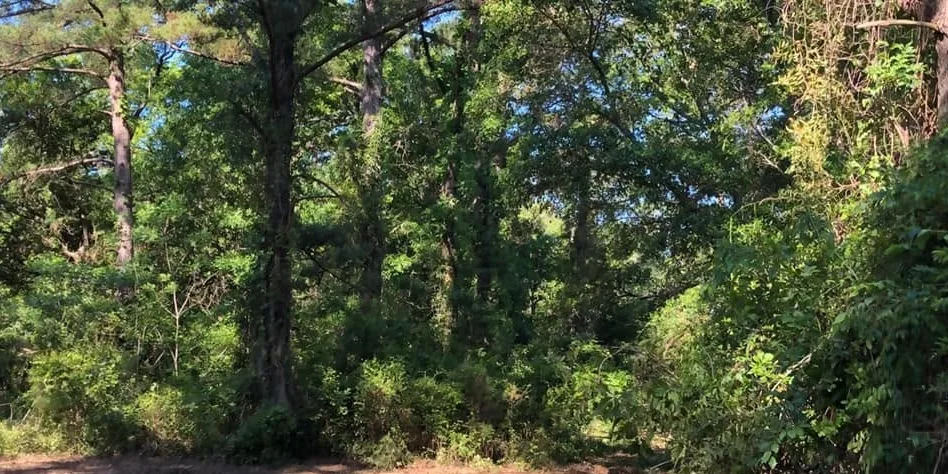
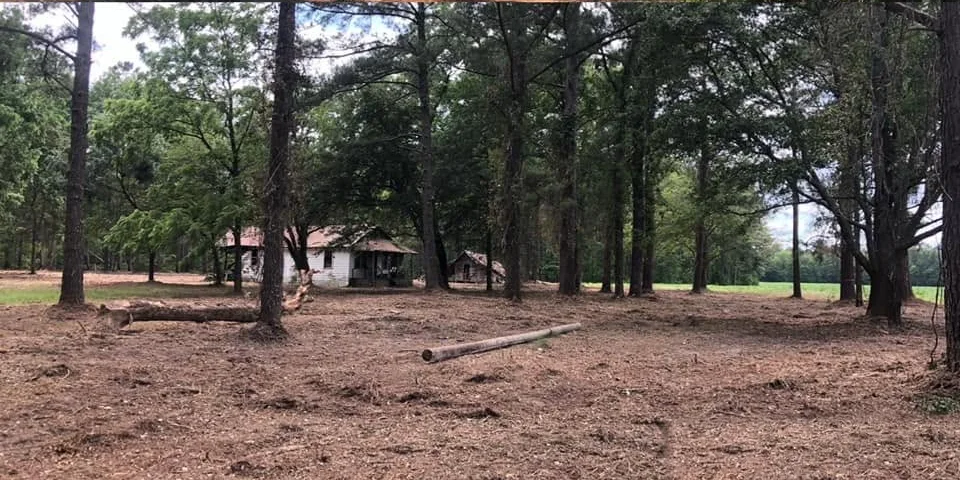 BeforeAfter
Opening up wooded land while keeping the established trees.
Marking and boundaries
Once the keep list is agreed, it goes on the ground. Kept trees are flagged so the operator is working to a visible standard rather than a memory of the conversation. The edges of the work area are flagged the same way: where the clearing starts and where the agreed boundary stops it. So are any strips to leave standing along a line, a road or the water. The keep list and the boundary are written into the scope.
The intended finish is agreed at the same time. "Open woodland I can mow under" and "a cleaner edge along the drive" are different jobs with the same keep list.
What stays, what goes
| Usually stays | Usually goes |
|---|---|
| Mature oaks, pines and hardwoods on your keep list | Chinese privet, Chinese tallow and other invasive brush |
| Trees with a role: shade on the house, screen from the road, the big one by the pond | Smilax, kudzu, wisteria and vines pulling down the trees you keep |
| Cover you want for wildlife | Sweetgum and pine volunteers crowding the kept trees |
| Rooted vegetation along banks and buffers | Saplings and small trees that will never make a tree |
| The mulch layer over the roots | Dead and leaning stems that are a hazard |
Everything in the right-hand column is ground in place and left as mulch. Nothing is burned or hauled. Stumps are a separate decision: under kept trees they are ground low or left, never grubbed, because grubbing beneath a canopy tears the roots you are protecting. The reasoning is in how we protect what you want to keep and keeping mature trees.
What the keep list looks like in practice
RRE's own site already states the standard: "Every property has something worth keeping. We start by understanding how you want to use the land, then plan the work around its access, vegetation, and character."
The woodland clearing project shows the result: dense brush beneath mature trees before, open ground between the same retained trees after. See woodland clearing. [FPO: location, date and acreage of the woodland-clearing project — DEP-28]
Tell us what to keep
Write to hello@rreforestry.com with the town or county, rough acreage, and what you want cleared and what you want left standing. Add photos of the growth and the trees inside it, and your timing. Request a consultation.
Frequently asked questions
How close to a kept tree can you clear?
Close enough that the brush against the trunk is gone, with a setback that keeps the machine off the bark and the root flare. The setback depends on the tree and the ground, and it is agreed at the site visit.
What if I want to keep a tree the operator thinks is unsafe?
We will tell you why, and then it is your call. Nothing on the keep list comes out without your say.
Do I have to be there for the site visit?
Every estimate follows a site visit, so RRE walks the property either way. Photos, a plan or a marked-up aerial, and a call start the conversation, but they never replace the visit. If the keep list is long or the trees are valuable, being there helps.